Price Wars Intensify as More OMCs Slash Pump Prices
January 21,2026
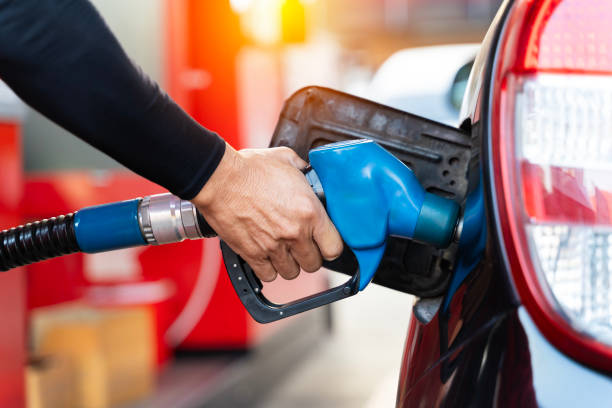
Competition in Ghana’s downstream petroleum sector has deepened, with more Oil Marketing Companies (OMCs) cutting pump prices in the second pricing window of January 2026.
On January 19, Zen Petroleum announced a nationwide price reduction across all its outlets, breaking away from the usual practice of selective discounts. Petrol is now selling at GH¢9.94 per litre, among the lowest on the market, while diesel is priced at GH¢11.21 per litre.
JP Oil has also reduced prices, with Petrol (SupremA) selling at GH¢9.89 per litre and Diesel (SupremO) at GH¢10.89 per litre. The company, however, noted that some outlets will continue to sell at the general prices of GH¢9.99 for petrol and GH¢10.99 for diesel.
Major international brands have joined the price cuts. TotalEnergies is now retailing petrol at GH¢10.99 per litre and diesel at GH¢11.99, while Shell is selling petrol and diesel at the same prices. Shell’s premium V-Power product is currently priced at GH¢13.09 per litre.
PETROSOL has also adjusted prices downward, selling petrol at GH¢10.98 per litre and diesel at GH¢11.98 per litre.
State-owned GOIL has rolled out promotional discounts at 150 selected stations nationwide. Under the promotion, Super XP (Petrol) is selling at GH¢9.99 per litre, down from GH¢10.99 in the first pricing window, while Diesel XP is priced at GH¢11.21 per litre, compared to the earlier GH¢11.96. However, Super XP 95 remains unchanged at GH¢13.97 per litre.
Star Oil has also implemented price reductions across several outlets. Petrol is now selling at GH¢9.97 per litre at 175 stations nationwide, down from GH¢10.56, though some outlets still maintain the previous price. Diesel has dropped to GH¢10.97 per litre from GH¢11.56, while RON 95 is now selling at GH¢12.54 per litre, down from GH¢12.96.
Industry players say the aggressive price cuts reflect intensifying competition among OMCs, driven largely by the continued appreciation of the Ghana cedi against major trading currencies and sustained declines in international petroleum product prices.