
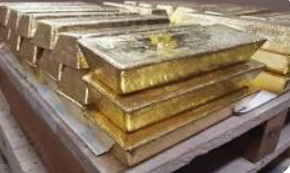
Government Pushes for 30% Gold Purchase from Miners to Strengthen National Reserves
May 19.2026
The Government of Ghana is seeking to increase the amount of gold purchased from large-scale mining companies from 20% to 30% of their annual production as part of efforts to strengthen the country’s gold reserves and stabilise the economy.
According to officials at the Bank of Ghana, the revised policy forms part of a broader reserve-building strategy aimed at boosting the country’s financial buffers and supporting the Ghana cedi.
Head of the Bank of Ghana’s Gold Management Programme, Paul Bleboo, disclosed that the central bank intends to negotiate a new arrangement with industrial mining firms for 30% of their annual gold output to be delivered in dore form.
The move follows Ghana’s bullion purchase initiative launched in 2022, under which mining companies agreed through the Ghana Chamber of Mines to supply 20% of their gold production to the central bank.
Data from the Bank of Ghana indicates that the country’s gold reserves rose to 19.2 metric tonnes in February, helping to strengthen external reserves and support economic recovery following Ghana’s recent financial crisis.
Government is now targeting a significant increase in reserves to about 157 metric tonnes by 2028, equivalent to roughly 15 months of import cover.
As part of the revamped programme, state gold trading company GoldBod is expected to serve as the main regulatory channel for gold exports to improve monitoring and traceability within the sector.
Despite the government’s ambitions, negotiations with mining firms remain ongoing. Chief Executive Officer of the Ghana Chamber of Mines, Kenneth Ashigbey, stated that discussions over pricing structures and proposed discounts are complex and no final agreement has been reached.
Mining companies have reportedly raised concerns about proposed discounts on gold purchases, valuation of by-products such as silver, and the short timeline for implementing the new policy.
The Bank of Ghana, however, insists the discounts are necessary to cover refining, transportation, and purity-related costs associated with building the country’s gold reserves.
The central bank also recorded significant financial losses linked partly to the reserve accumulation programme and monetary policy tightening measures, according to its latest financial statements.
