

World Bank Rejects Akufo-Addo Gov’t’s Covid-19, Russia-Ukraine War Defence for 2022 Economic Crisis
Sep 26, 2025
by Ekow Benyah Feb 20, 2026
Majority: COCOBOD Needs GH₵30bn to Stay Afloat
February 19, 2026
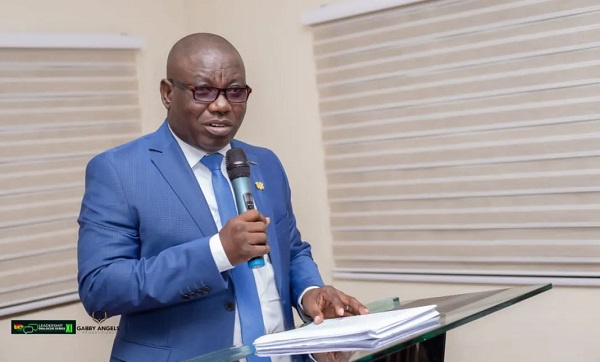
The Majority Caucus in Parliament has raised alarm over the financial health of the Ghana Cocoa Board (COCOBOD), warning that the institution requires more than GH₵30 billion in working capital to remain operational.
Addressing a press conference on Thursday, Chairman of Parliament’s Finance Committee and Member of Parliament for Bolgatanga Central, Isaac Adongo, disclosed that the Board is facing a significant funding gap.
“COCOBOD requires over 30 billion cedis in working capital for it to survive, not the 60 billion left behind. If you look at the accounts, you realise that there is a big hole in there,” he stated.
Meanwhile, COCOBOD has announced internal cost-cutting measures aimed at easing financial pressure. Executive management will take a 20% salary reduction, while senior staff will face a 10% pay cut.
The Board estimates that the move could save approximately GH₵5 million monthly. The salary reductions have already taken effect and will remain in place for the rest of the 2025/2026 crop year.
As part of broader efforts to stabilise its finances, the government is seeking parliamentary approval to convert a legacy debt of GH₵5.8 billion owed to the Bank of Ghana and the Ministry of Finance into long-term obligations.
Additionally, road-related liabilities amounting to GH₵4.35 billion are expected to be transferred from COCOBOD to the Ministry of Roads and Highways and the Ministry of Finance, as part of a balance sheet clean-up exercise.
The developments come at a time when Ghana’s cocoa sector is grappling with rising operational costs, liquidity constraints, farmer welfare concerns, and increased public scrutiny over cocoa pricing and COCOBOD’s financial management.
With cocoa remaining a critical pillar of Ghana’s economy, the coming months are expected to test the sustainability of reforms aimed at restoring the Board’s financial stability.

Sep 26, 2025
Oct 01, 2025

Sep 12, 2025
Mar 13, 2026

Sep 26, 2025

Oct 09, 2025

Oct 11, 2025

Oct 27, 2025
